Recent Volvo electric vehicle fires highlight critical engineering limitations in current battery technology and the risks of EV combustion.
Engineering Challenges in Battery Safety
Recent fire incidents involving Volvo electric vehicles have raised significant questions regarding the safety and reliability of modern energy storage. These events serve as a critical case study for engineers and consumers alike, highlighting the inherent challenges and technical limitations found within current high-density battery systems.
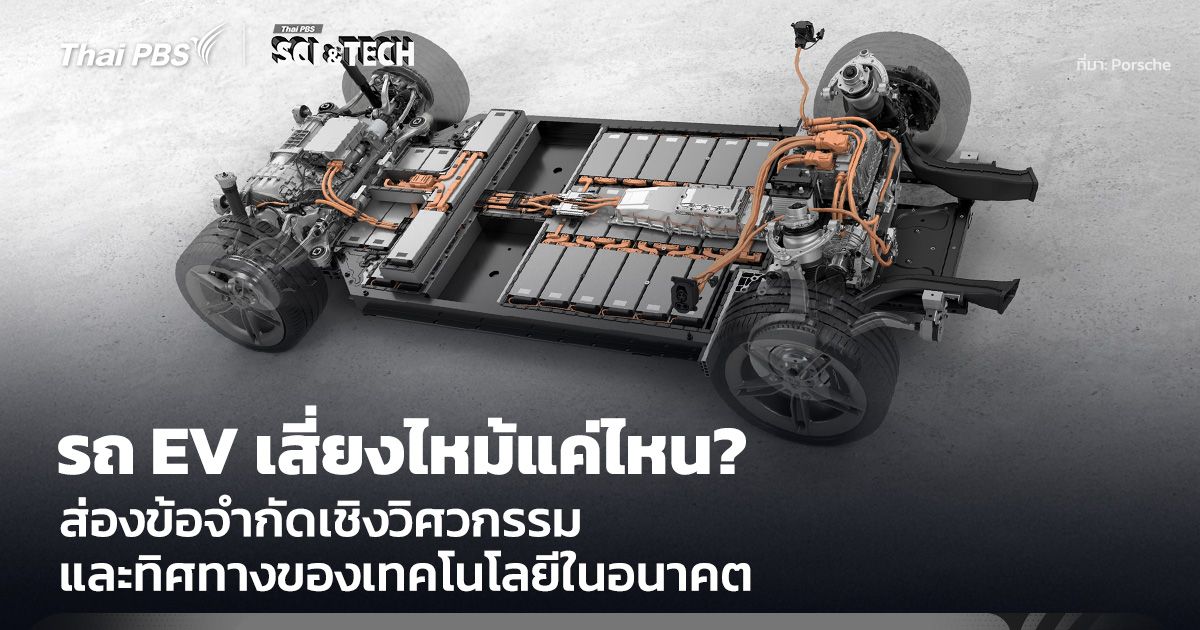
The primary concern in electric vehicle safety often centers on the limitations of lithium-ion battery chemistry. While these batteries are essential for providing the range required by modern drivers, they are susceptible to a phenomenon known as thermal runaway. This process occurs when a battery cell experiences an internal short circuit or external damage, triggering a rapid, self-sustaining increase in temperature that can lead to intense and difficult-to-extinguish combustion.
Current Technical Constraints
As manufacturers push for longer ranges and faster charging times, several engineering hurdles remain at the forefront of the industry:
- Thermal management efficiency in extreme environmental conditions.
- The structural integrity of battery enclosures during high-impact collisions.
- The volatility of liquid electrolytes used in high-capacity lithium-ion cells.
The Future Direction of EV Technology
In response to these safety concerns, the automotive industry is pivoting toward more robust engineering solutions. Manufacturers are increasingly investing in advanced liquid and air cooling mechanisms, alongside more sophisticated Battery Management Systems (BMS) designed to detect and mitigate temperature spikes before they escalate into emergencies.
Looking forward, the industry's direction points toward the development of solid-state battery technology. By replacing flammable liquid electrolytes with stable solid alternatives, engineers aim to significantly reduce the risk of fire, potentially solving one of the most significant engineering bottlenecks in the transition to widespread electric mobility.