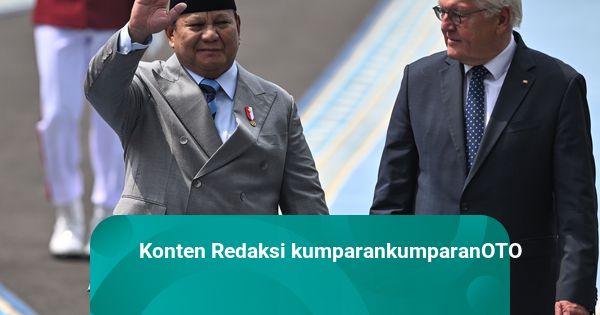
President Prabowo Subianto is inviting German firms to invest in Indonesia's EV sector as China implements stricter electric vehicle regulations.
In a strategic move to bolster the nation's green energy transition, President Prabowo Subianto has expressed strong interest in securing increased investment from Germany for Indonesia's electric vehicle (EV) industry. This initiative marks a targeted effort to position the country as a central hub for automotive manufacturing and technological innovation within Southeast Asia.
Seeking German Technological Partnership
The President's outreach to German stakeholders highlights a focused effort to acquire high-level technical expertise. By inviting German automotive leaders to participate in the Indonesian market, the administration aims to integrate advanced manufacturing standards and sophisticated supply chain technologies into the domestic ecosystem. This collaboration is viewed as essential for building a complete EV lifecycle within the country, ranging from battery production to final vehicle assembly.
This push for foreign direct investment is closely tied to Indonesia's unique economic advantages, specifically its abundance of critical minerals like nickel. Strengthening ties with European partners could enable more advanced processing of these resources, ensuring that Indonesia moves up the value chain from a raw material exporter to a high-tech manufacturer of battery components.
Responding to Regulatory Changes in China
While Indonesia actively pursues new investment avenues, the global electric vehicle market is also contending with significant shifts in China. As the largest consumer of electric cars globally, China's regulatory landscape plays a massive role in driving international market trends. Recent reports indicate that China is implementing stricter rules concerning the electric vehicle sector, aimed at refining industry standards and increasing oversight.
These evolving regulations in China present a complex environment for global manufacturers. As the Chinese market matures, the emphasis on strict compliance and rigorous quality control is expected to increase, forcing international companies to adapt their production and distribution strategies to remain competitive in the region.
The Shifting Global Automotive Landscape
The dual developments of Indonesia's investment drive and China's regulatory tightening underscore the volatility and rapid evolution of the global automotive industry. As the world pivots toward sustainable transport, the race to dominate the EV supply chain has become a matter of significant economic and strategic importance.
For Indonesia, the ability to attract a diverse range of international investors—including major players from Europe—is a key component of its long-term economic strategy. By balancing relationships with various global powers and technological leaders, the nation seeks to build a resilient and competitive electric vehicle industry capable of thriving in an era of rapid technological change.