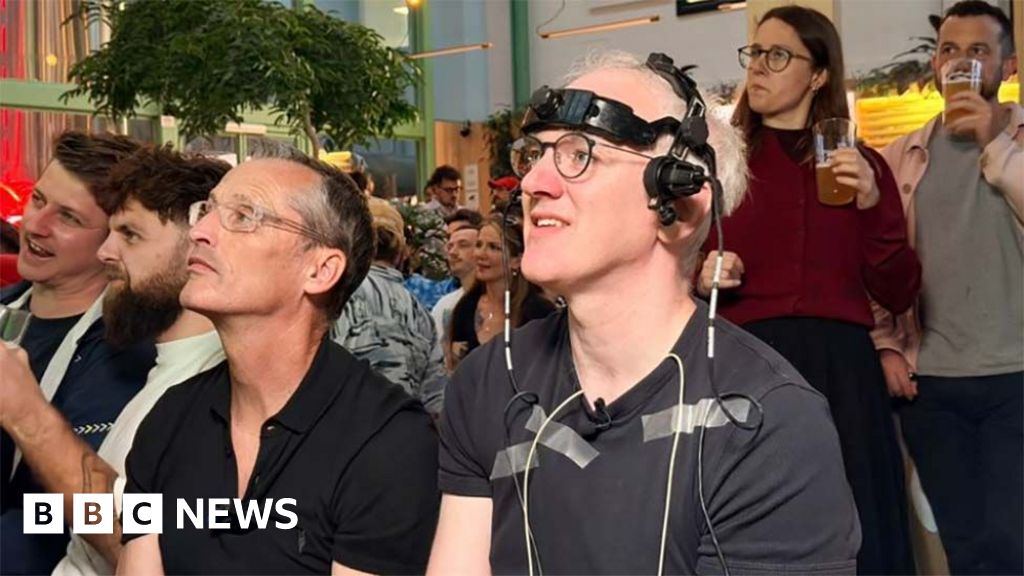
High-stakes football matches can trigger intense emotions, potentially affecting your heart rate and mental health during major tournaments.
The Emotional Impact of Major Tournaments
Watching a major sporting event like the World Cup is rarely just a passive activity. For many fans, following the England national team becomes an immersive, emotional experience. The tension of a penalty shootout or the euphoria of a last-minute goal can cause rapid shifts in mood, often described as an emotional rollercoaster that engages both the mind and body.
Physical Responses to High-Stakes Games
When fans witness high-pressure moments, their bodies often react as if they are personally involved in the action. This physiological response can include several key indicators that may impact overall wellness:
- Increased Heart Rate: Sudden shifts in game momentum or unexpected goals can cause temporary spikes in heart rate.
- Stress Hormones: The release of cortisol and adrenaline can occur during tense match situations, mirroring the body's fight-or-flight response.
- Blood Pressure Fluctuations: Intense excitement or deep disappointment may lead to brief changes in blood pressure levels during the match.
Understanding the Psychological Connection
Psychologists often note that fans experience "vicarious achievement" or "vicarious embarrassment." This deep psychological connection means that the team's success or failure is processed by the brain in ways that mimic personal experiences. While this sense of connection fosters community and social bonding, it also places a unique demand on an individual's ability to regulate emotions.
Managing the Stress of Spectatorship
While the excitement is a core part of the football experience, it is important to remain mindful of one's physical and mental state. Experts suggest that maintaining a balanced lifestyle—incorporating regular exercise, adequate sleep, and healthy eating—can help mitigate the impact of tournament-related stress. Additionally, watching matches in a social setting can provide emotional support, turning the stress of the game into a shared, positive social experience.