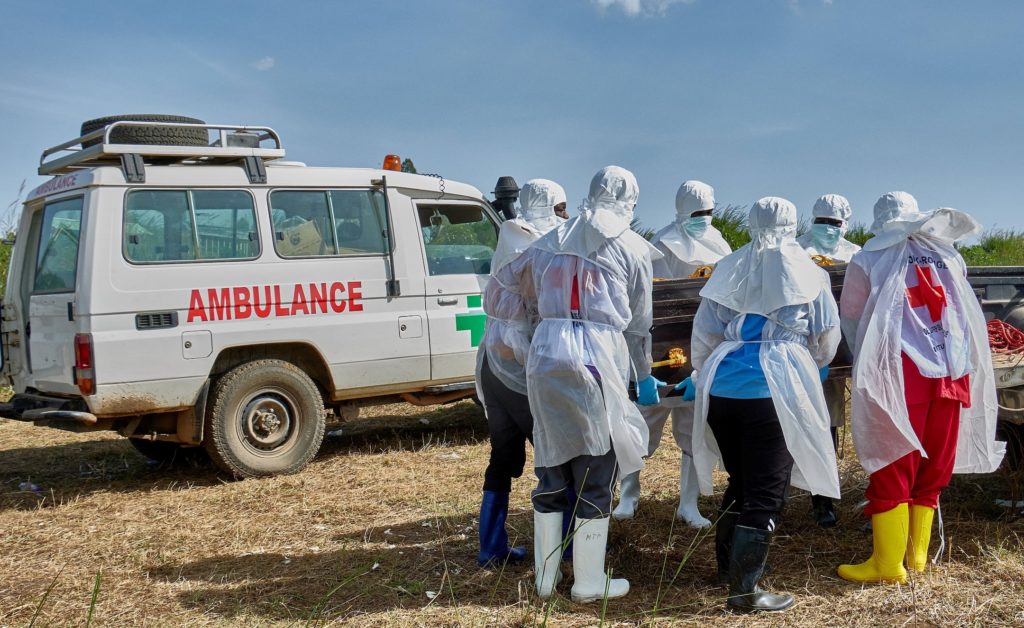
A rapidly spreading Ebola outbreak in Central Africa has claimed the lives of at least 220 people, prompting concerns from the World Health Organization (WHO) as response efforts struggle to contain the virus. The outbreak, which began several weeks ago, is impacting multiple communities and straining local healthcare systems.
The WHO has reported that the speed of the outbreak's transmission is outpacing current response capabilities. This includes challenges in identifying and isolating infected individuals, providing adequate medical care, and implementing preventative measures such as public health education and safe burial practices. The exact location of the outbreak is not specified, but it is confirmed to be in Central Africa.
Ebola is a severe and often fatal illness caused by the Ebola virus. Symptoms can include fever, vomiting, diarrhea, muscle pain, and internal and external bleeding. The virus is transmitted through direct contact with body fluids of a person who is sick with or has died from Ebola. There are vaccines and treatments available, but access to these resources can be limited in affected regions. The WHO and other international organizations are working to provide support to the affected countries, including deploying medical personnel, supplying essential equipment, and coordinating response activities.
The current situation highlights the ongoing challenges in controlling infectious disease outbreaks in resource-limited settings and underscores the importance of robust public health infrastructure and international collaboration to prevent and mitigate the impact of such events.