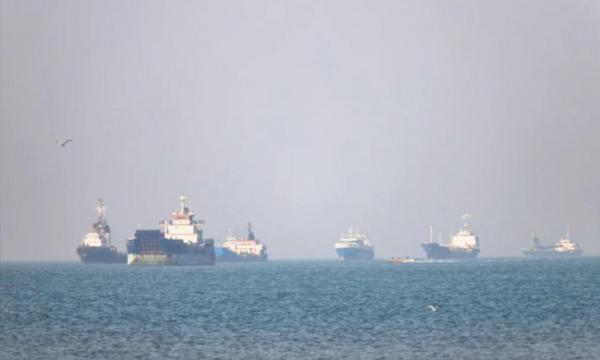
Oil tankers have resumed transit through the Strait of Hormuz as the U.S. rolls back sanctions on Iran following a temporary peace agreement.
Maritime Activity Returns to the Strait
Oil tanker traffic is once again moving through the Strait of Hormuz, marking a significant shift in regional maritime activity. This resurgence in shipping follows claims by the United States that it is withdrawing specific sanctions against Iran. The decision comes in the wake of a temporary agreement designed to end ongoing hostilities, allowing for a cautious resumption of vessel transit through this critical waterway.
Unresolved Diplomatic Challenges
Despite the return of shipping traffic, the geopolitical landscape remains precarious. While the temporary agreement has provided a window for maritime movement, the fundamental issues between the United States and Iran have yet to be addressed. Significant diplomatic hurdles remain between the two nations, suggesting that the current stability may be fragile.
The agreement is characterized as a temporary measure rather than a permanent resolution to the long-standing tensions in the region. Because the primary points of contention between Washington and Tehran remain unsettled, the long-term impact of this development is still uncertain.
Impact on Global Energy Markets
The Strait of Hormuz is widely recognized as one of the most essential maritime chokepoints for the global energy industry. The ability of tankers to navigate these waters safely is a key factor in maintaining the stability of international oil supplies. While the resumption of traffic is a positive sign for global markets, the ongoing lack of a final agreement means that the security of the strait remains a focal point for international observers.