New technologies like cooling garments and automated monitoring systems improve worksite safety, but experts emphasize that a strong safety culture is vital.
Advancements in Workplace Safety Technology
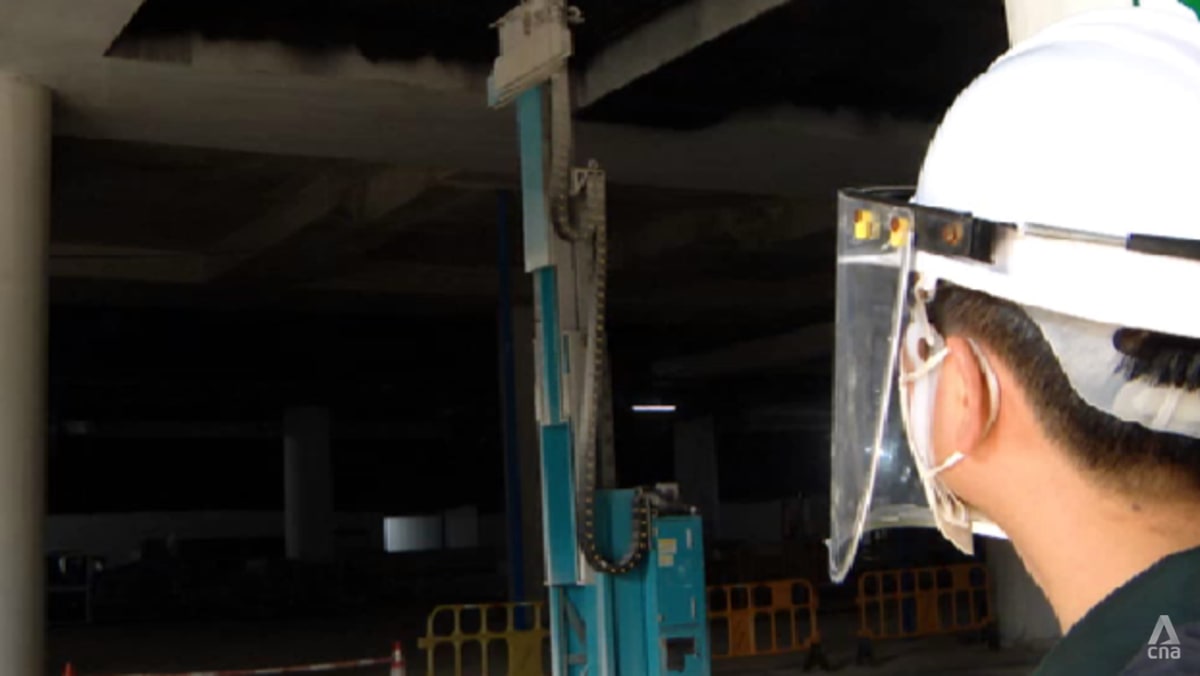
Industrial sectors are increasingly integrating specialized hardware and software to mitigate physical risks to employees. Modern solutions range from wearable cooling garments designed to prevent heat exhaustion to automated monitoring systems that track environmental hazards in real time.
These tools provide data-driven insights that allow site managers to respond to dangerous conditions before injuries occur. Automated sensors can detect gas leaks, monitor air quality, or alert supervisors when a worker enters a high-risk zone.
The Importance of Safety Culture
Despite the rapid deployment of these technical advancements, industry observers argue that tools alone cannot eliminate workplace accidents. The effectiveness of any technological intervention depends heavily on the underlying safety culture within an organization.
A robust safety culture ensures that employees utilize new equipment correctly and feel empowered to report near-miss incidents. Without proper training and management buy-in, sophisticated monitoring systems may go ignored or be bypassed to prioritize speed over security.
Integrating Tools with Human Practice
To achieve maximum protection, companies must combine technical hardware with standardized operational procedures. Experts suggest that the most successful safety programs follow these principles:
- Consistent Training: Ensuring every worker understands how to operate wearable tech and interpret alerts.
- Data-Driven Decision Making: Using information from automated monitors to adjust shift lengths or ventilation.
- Open Communication: Maintaining channels where workers can voice concerns without fear of reprisal.
- Accountability: Holding leadership responsible for maintaining high safety standards alongside technological adoption.
The goal for modern industrial operations is to create a symbiotic relationship between human oversight and automated precision. While technology reduces the margin for error, the human element remains the primary defense against occupational hazards.